


How Residential Solar Panels Can Power 3D Printers
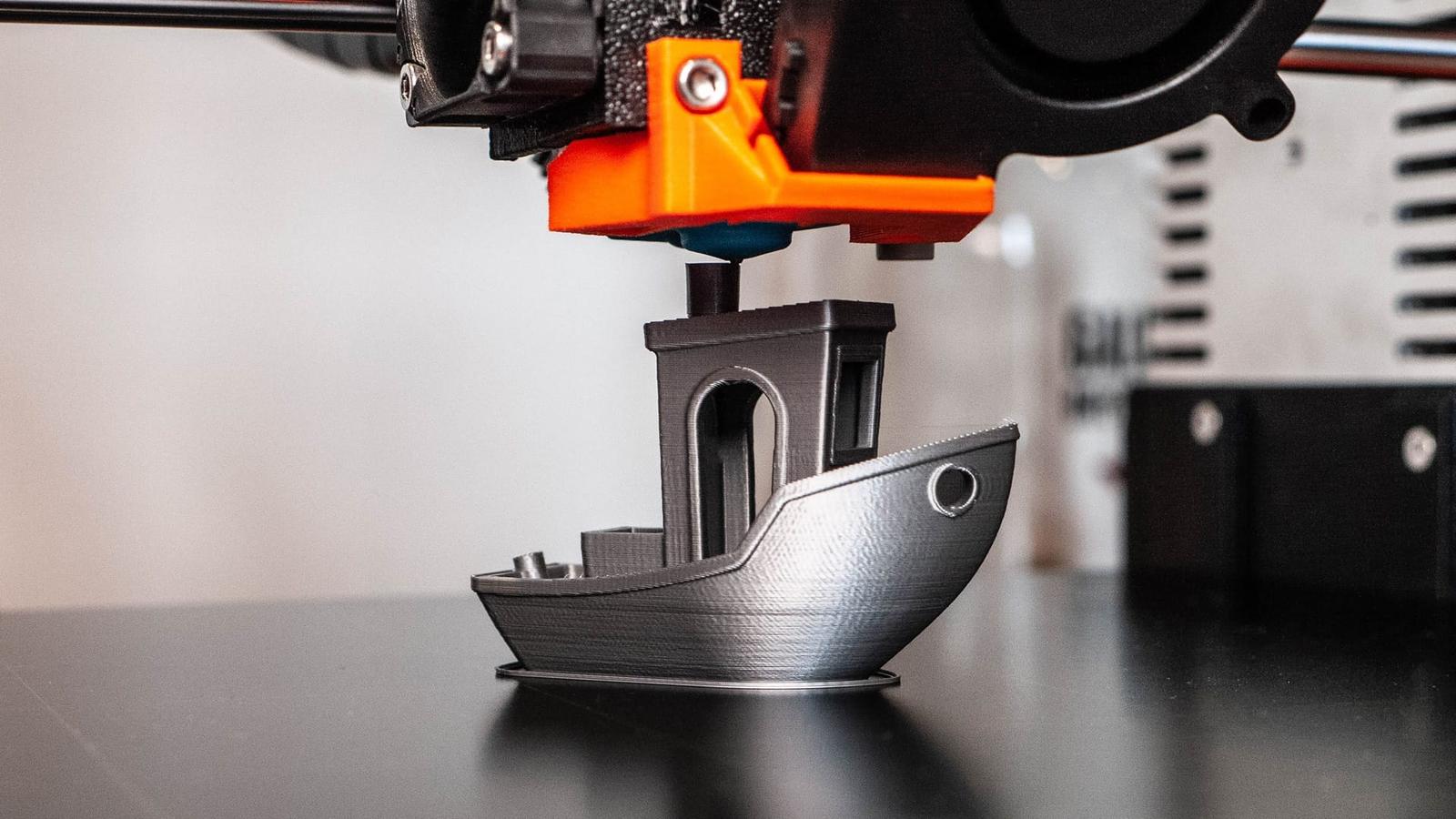
The connection between solar power and 3D printing represents a natural technological partnership. Solar panels generate electricity during daylight hours, and many home fabrication tasks take place during those same periods when people actively work on projects. When a household solar system powers a 3D printer, the process of designing and manufacturing small objects becomes environmentally responsible and economically efficient.
Understanding how solar panels can support 3D printing reveals broader insights about energy efficiency, engineering design, and sustainable technology. When these two innovations combine, they demonstrate how renewable energy can directly support creativity, education, and practical problem-solving within everyday households.
Solar Energy as a Home Fabrication Power Source
Residential solar arrays supply steady electricity that supports desktop fabrication tools such as household 3D printers within daylight hours reliably. Panels connect through inverters that convert direct current into stable household current suitable for precise desktop fabrication machines inside homes. This arrangement allows hobbyists and engineers to print components with sunlight power while utility demand and monthly costs fall significantly.
Home solar systems pair well with printers since both favor daytime electricity use and predictable workloads for small workshops everywhere. A modest roof array often supplies enough energy for several print cycles that produce tools, prototypes, or repair parts. Owners gain energy independence plus creative capacity as printers transform solar electricity into tangible objects for household needs and projects.
How Solar Electricity Reaches Desktop Printers
Solar modules generate direct current through photovoltaic cells that react to sunlight and release electrons across conductive circuits on roofs. Inverters regulate voltage so desktop printers receive consistent power that prevents errors within heaters, motors, control boards, and sensors. Stable electricity supports precise layer creation, which improves part strength, surface quality, and repeatable output for makers across home labs.
Battery packs can store surplus afternoon solar electricity so night print jobs continue without grid reliance for many quiet hours. Charge controllers protect batteries and panels, which extends equipment life and maintains safe power flow for printers within home systems. This solar printer ecosystem suits garages, classrooms, and studios where quiet machines fabricate parts with renewable electricity for creative work.
The Relationship Between Solar Output and Print Performance
Design software prepares digital models, then printers build objects layer after layer with filament or resin materials for home use. Solar electricity feeds heaters and motion systems that melt filament accurately and move print heads across set paths with precision. Reliable solar output helps maintain a constant temperature, which reduces defects and supports dimensional accuracy within printed components for many projects.
Households with solar arrays can schedule print tasks when sunlight peaks, which improves efficiency and lowers battery strain across systems. Smart plugs and energy monitors show real-time consumption, so users can easily match printer demand with solar supply at home. This coordination turns rooftops into micro power plants that fuel creative fabrication without fossil fuel dependence for home inventors everywhere.
Engineering Considerations
Exploring the engineering behind modern solar power solutions will help you understand how efficient home printers operate with sunlight. Proper design ensures panels meet peak heater demand while reserve energy remains for computers, lights, and ventilation within workshops daily. Engineers size solar arrays after printer wattage, duty cycles, and local sun exposure across seasons for reliable home production needs.
Mount angles, panel orientation, and shade control influence electricity yield, which affects print capacity for home labs and studios. High-quality wiring and protective hardware reduce power loss and protect printers from voltage swings across household circuits. Careful system layout keeps electricity flow clean, which benefits precision electronics inside modern consumer fabrication devices for reliable output.
Environmental Benefits of Solar-Driven Printing
One of the main benefits of using solar panels for 3D printing is that it reduces carbon emissions associated with conventional grid power and distant factories for cleaner local production. Printed household tools extend product life, which limits waste and promotes a repair culture within neighborhoods for practical reuse. Solar-powered printers support circular material habits through recycled filament and thoughtful design for durable household goods.
Many filament types derive from plant polymers, which pair well with renewable electricity for low-impact fabrication within home workshops. Households convert waste plastic into fresh filament through compact recycle units that run with rooftop solar arrays for maker projects. This closed-loop approach links energy independence with material responsibility, which benefits communities and local ecosystems for long-term health.
Energy Independence for Long Print Projects
Rooftop solar arrays also shield makers from utility price shocks that could halt long print sessions within home labs suddenly. Predictable solar energy encourages confident project plans since electricity cost remains stable across seasons for makers and students around the home. This stability suits printers that require several hours for complex parts such as drone frames or robotics brackets.
Solar plus battery systems protect prints from sudden outages that otherwise waste filament and time for patient home fabricators. Users gain confidence that long builds complete successfully even when storms disrupt regional power infrastructure near their homes and labs. Reliable solar electricity supports ambitious fabrication projects that once required expensive professional workshops for dedicated home inventors.
Solar Printing in Remote or Mobile Environments
Compact printers pair well with balcony solar kits, which suit apartments where roof access remains limited for urban makers everywhere. Portable power stations charged from panels can run small printers for field research, education, or remote repair tasks far away. This mobility expands fabrication beyond garages into farms, boats, and disaster zones where spare parts matter for safety and repair.
Solar printers support humanitarian relief since teams can create medical clips, tool handles, and water valve parts within field camps. Energy independence proves valuable where fuel supply chains fail, yet sunlight remains available across open terrain for repair work crews. Solar-powered printers assist recovery efforts through rapid part creation near disaster sites for relief teams and local hospitals.
The Future of Solar-Powered Home Manufacturing
Adoption of solar-powered printers encourages public interest in renewable technology and practical household innovation across schools and homes. Families observe sunlight transform into real objects, which makes clean energy concepts tangible and hopeful for young makers. This visible link between roof panels and printed tools strengthens support for renewable infrastructure within communities and schools.
Local success stories show neighbors that solar fabrication works, which accelerates adoption across residential neighborhoods for creative households. Manufacturers respond with quieter printers and smarter energy tools that integrate smoothly with rooftop solar systems. The result promises resilient homes where sunlight powers design, fabrication, and repair within everyday life for families and inventors.
Residential solar panels and desktop 3D printers represent a practical step toward decentralized manufacturing within homes. Solar electricity can power fabrication tools that create useful objects, prototypes, and repair components with minimal environmental impact. As solar technology and printer efficiency continue to improve, more households will transform sunlight into both energy and physical products.


Be the first to leave a comment