


Tips To Store Comics and Books Moisture-Free in Your Garage
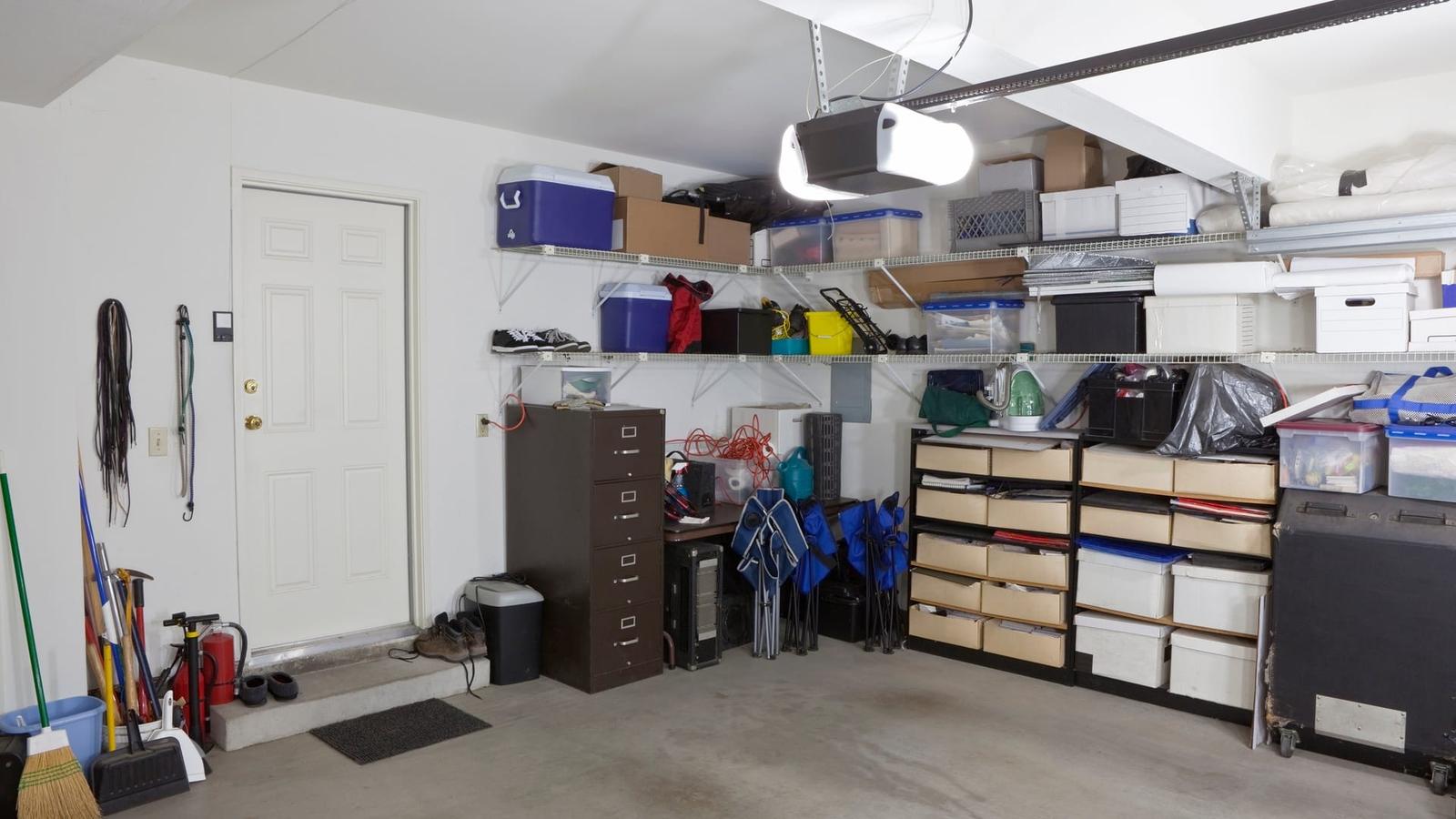
Collectors often store comics and books in garages where space seems abundant, yet hidden risks threaten paper quality over time. Moisture remains the most persistent enemy because it seeps into fibers, warps pages, and encourages mold that damages collections permanently. Many collectors underestimate gradual humidity changes and temperature swings that quietly degrade materials until visible signs appear and value declines.
Simple adjustments as sealing gaps, elevating boxes, and improving airflow, can significantly lower moisture levels without complex equipment or expense. With these tips to store comics and books moisture-free in your garage, you can protect treasured issues and volumes while keeping storage areas organized.
Understand Your Garage Environment
Measure humidity levels with a simple meter and note daily patterns, since garages often fluctuate with weather and door use. Identify damp sources such as concrete floors, exterior walls, or nearby laundry areas, then address each source with targeted fixes. Seal cracks and gaps to limit outside air entry, and consider insulation upgrades that reduce temperature swings across seasons.
Place collections away from direct contact with floors and walls, since these surfaces transfer moisture and cold into stored items. Keep a distance from garage doors and windows where leaks or condensation can occur during rain or temperature shifts.
Choose Appropriate Storage Containers
Select archival-quality boxes made from acid-free materials to prevent chemical damage that can discolor pages and weaken fibers. Avoid standard cardboard that absorbs moisture, and instead use plastic bins with tight lids that block vapor and pests effectively. Ensure containers have minimal internal movement, so items remain upright and supported without stress on spines or corners.
Add silica gel packets or moisture absorbers within containers to control humidity levels and maintain a stable microclimate around stored materials. Replace desiccants on a schedule based on local humidity, and monitor indicators that show when replacement becomes necessary. Avoid overfilling boxes, since crowded conditions trap air and increase the chance of moisture buildup within enclosed spaces.
Maintain Stable Temperature Levels
Keep garage temperatures within moderate ranges to protect paper fibers and inks from expansion and contraction that cause warping or cracking. Install insulation or weather stripping to reduce extreme heat in summer and cold in winter for more consistent interior conditions. Use a portable heater or fan when needed to balance temperature without direct exposure to collections that could cause localized damage.
Avoid placing items near appliances that produce heat or moisture, such as water heaters, dryers, or freezers, since these create unstable microclimates. Position storage in central areas of the garage where airflow remains consistent and has minimum external temperature changes. Regularly check temperature readings to ensure stability and adjust equipment or placement as seasonal conditions shift.
Improve Air Circulation
Promote steady airflow throughout the garage to reduce stagnant pockets of humid air that can settle around boxes and create damp conditions. Use fans or passive vents to move air gently without direct force on stored materials, preventing dust disturbance and uneven drying. Open the garage periodically during dry weather to refresh the air, then close it before humidity rises again later.
Arrange shelves and containers with space between units to allow air movement, rather than clustering everything tightly against walls or corners. Maintain clear pathways that support circulation and make inspections easier without moving large sections of stored items frequently. Keep doors and vents unobstructed to support natural air exchange that helps maintain lower humidity levels across the entire space.
Elevate Storage Above Floor Level
Raise all storage units several inches above the floor to protect collections from minor flooding, condensation, and cold transfer through concrete surfaces. Use treated wood pallets or metal shelving that resists moisture and provides stable support for long-term storage needs. Check for level placement to prevent tilting, since uneven surfaces can shift boxes and cause pressure on contents over time.
Install barriers such as vapor sheets under pallets to further limit moisture movement from the floor into the storage area during humid periods. Keep the area beneath shelves clean and dry, since debris can trap moisture and encourage mold growth under storage units. Inspect elevation supports periodically to ensure integrity and replace any materials that show wear or water damage.
Organize for Easy Access and Monitoring
Arrange collections in a logical order that allows quick retrieval without excessive handling, reducing exposure to air changes and accidental damage. Label containers clearly with contents and dates, so you can locate items without opening multiple boxes during each search. Maintain a simple inventory record to track location and condition, making routine checks more efficient and consistent.
Plan layout with accessibility in mind, so inspections occur regularly and you can address issues before they escalate into larger problems. Freeing up valuable space is one of the main reasons to invest in shelving for your garage; this will help you maintain order and airflow. Keep frequently accessed items within reach to minimize disturbance to other stored materials during retrieval or inspection routines.
Control Moisture with Dehumidifiers
Use a dehumidifier suited to your garage size to maintain humidity within safe ranges that protect paper materials from mold and deterioration. Set target levels around fifty percent humidity and adjust based on local climate conditions to maintain stability throughout different seasons. Empty and clean the unit regularly to ensure effective operation and prevent microbial growth within the machine itself.
Place the dehumidifier where airflow can distribute dry air evenly across the space without creating concentrated dry spots near collections. Monitor humidity readings with a reliable meter to verify performance and adjust placement or settings when readings drift from desired levels. Combine dehumidifier use with other measures, such as sealing and ventilation, for comprehensive moisture control across the entire garage environment.
Prevent Water Intrusion
Inspect the garage roof, walls, and door seals for leaks that allow water entry during storms or snow melt, then repair any weak points promptly. Install weather stripping and sealants around doors and windows to block rain and humid air from entering the storage area. Ensure proper drainage outside the garage to direct water away from the structure and reduce the risk of seepage through foundation areas.
Check for plumbing lines or nearby sources that could leak and introduce moisture into the garage without immediate notice or detection. Install a water alarm or sensor near vulnerable areas to alert you quickly if moisture levels rise due to leaks or flooding. Keep gutters clean and downspouts directed away from the garage to prevent water accumulation near walls and entry points.
Proper storage of comics and books in a garage requires attention to humidity, temperature, airflow, and organization to protect valuable collections effectively. With thoughtful planning and consistent maintenance, you can create a stable environment that minimizes moisture risks and preserves condition over many years. Apply these methods with care and consistency to ensure your collection remains safe, accessible, and enjoyable for the future.


Be the first to leave a comment