


Designing a Home Theater: Which Elements Are Essential?
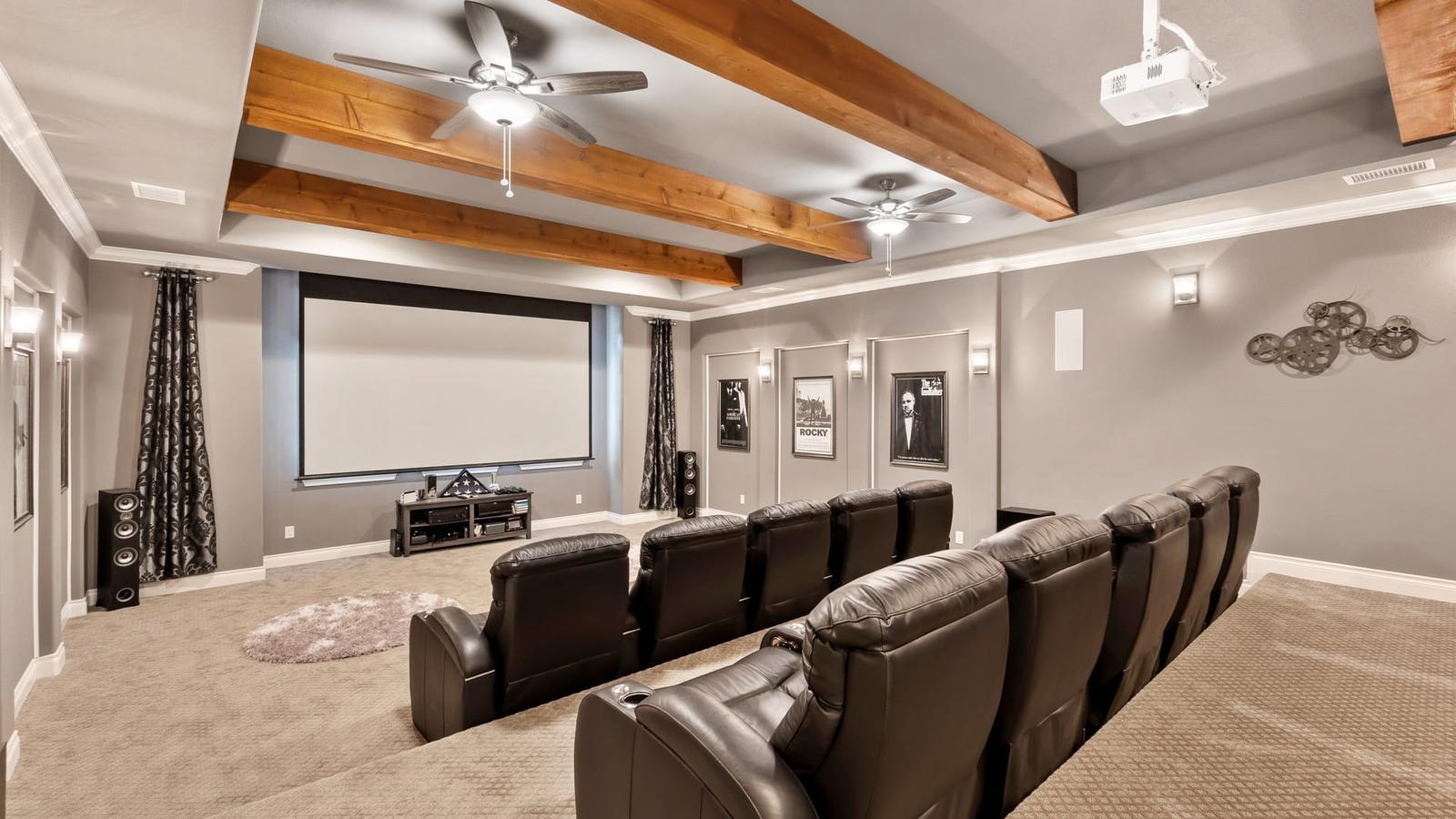
Your favorite films don’t return to theaters very often. The only way to get that immersive experience is to bring the theater environment into your home.
Whether you want to share the movie experience with friends or enjoy the theater to yourself, a movie room is an incredible idea. If you’re ready to start designing, it’s time to find out the must-have home theater elements.
Choose the Best Screen
The screen is the theater’s focal point. A projector brings scale. Massive fantasy battles, sweeping sci-fi landscapes, and cinematic racers look incredible on the big screen. It gives movie nights the size and drama many fans chase.
A large TV brings a different set of strengths. It delivers punchy brightness, sharp contrast, crisp performance for games, and a straightforward setup. That path fits multipurpose rooms, shared living spaces, and areas with daylight that spills in during the afternoon. TV screens thrive in rooms where sports, gaming, streaming series, and movies all share the same schedule.
Room size should guide the final call. A massive image packed into a shallow room overwhelms the eyes. Consider a few different screen sizes, and multiply the width of the screen by two. This will give you a preferred minimum distance. With these numbers, figuring out which screen fits the space will be simple.
Create a Custom Lighting Design
Lighting is effective when it doesn’t wash out the room. Some home theaters lean into the classic cinema vibe with low pathway lights along steps or platforms. The style echoes the theater experience people know from opening night screenings.
Other rooms aim for immersion through responsive lighting. Bias lights behind the screen soften eye strain during movie marathons. LED strips around shelving, risers, or crown molding shift to match the scene’s tone. Used with restraint, those touches deepen the mood without hijacking attention. Applied carelessly, they turn a film into background noise for a light show.
One overhead fixture rarely does the room any favors; layered lighting is a better approach. Recessed ceiling lights support setup and cleanup, while wall sconces add warmth. Incorporate floor-level lights to guide movement from the steps to the seats. A layered plan gives each part of the evening its own setting, from pre-show chatter to the opening scene.
Install Surround Sound
The goal of a movie room is to eliminate distractions. From the sounds of nature to the drumming action noises, a surround sound system will put you directly in the movie’s universe.
The Core Gear
Every strong surround system needs an AV receiver that handles switching, processing, and amplification between the sources and speakers. From there, the core layout should include front left and right speakers, a center channel, surround speakers, and a subwoofer.
The center channel carries a heavy load because it anchors dialogue to the screen. Without it, voices vanish beneath the effects and music. Front speakers indicate movement across the image. Surround speakers bring dimension to noisy crowds and environmental details. The subwoofer handles low-end impact, so car engines and mythical creature stomps are dynamic.
Height channels bring overhead motion into the mix. They’re ideal for action-heavy scenes because they add depth to every soundtrack.
Purposeful Speaker Placement
Placement makes or breaks surround sound. A center channel belongs above or below the screen, angled toward ear level. Front speakers should frame the image without crowding it. Surround speakers work best to the side or slightly behind the main seats, where they can wrap the audience instead of firing straight into a wall.
The subwoofer is a little tricky to place. Bass behaves differently in every room because the individual features affect the output. Based on the location of corners and the types of flooring materials, one position will be muddy, and another will emit a sharp sound. Be sure to test the subwoofer in a few locations while playing scenes from your favorite film; this is an efficient way to find the best subwoofer spot.
Soundproof the Theater
With countless speakers positioned around the room, the rest of the house will boom with thunderous sounds. You’re having the time of your life while other family members are struggling to fall asleep. Sound isolation solves that issue before it turns into a recurring argument.
Solid-core doors block sound far better than hollow ones. Thick carpet instead of hardwood flooring limits echoing. Dense insulation inside the walls strengthens the shell of the room. If you want to take it a step further, soundproof drywall enhances the space by containing every loud sound.
Sound control improves the theater itself, too. Clean acoustics sharpen dialogue, tighten effects, and reduce the echo that makes premium speakers sound rough. The quiet room lets the system breathe without forcing the volume higher. Even better, you’ll attain that immersive movie environment you crave.
Recliners That Invite Relaxation
Sitting upright in a stiff seat for hours isn’t how you want to relax. A great screen and powerful speaker setup lose their value when you don’t feel comfortable.
A recliner supports countless hours of sitting in front of the screen. As you recline, the body will sink into the plush cushions and focus on the film in front of you. Whether the night involves a three-hour epic or a retro cartoon binge, the seats will support you. Cupholders, arm support, headrest comfort, and leg extension are bonus features that you’ll love.
Integrate Smart Shortcuts
Smart integration works best once it trims friction out of the experience. One-tap scenes rank among the most useful upgrades. A single command can lower the lights, power the screen, wake the receiver, and switch to the right source in seconds.
Voice commands offer another practical option for volume changes, playback control, and light adjustments. Smart shades fit especially well in rooms with windows, since they cut glare before a daytime screening. These upgrades shine once they solve an annoyance people run into every week.
A smart theater should stay simple. Tech earns its place once it saves time for everyday tasks.
Make Every Movie Screening an Incredible Experience
The best movie rooms succeed because each choice supports the next one. When you focus on these essential design elements, your personalized home theater will become the legendary screening spot for classics and new releases.


Be the first to leave a comment