


The Challenges of Restoring Vintage Tech Shops and Arcades
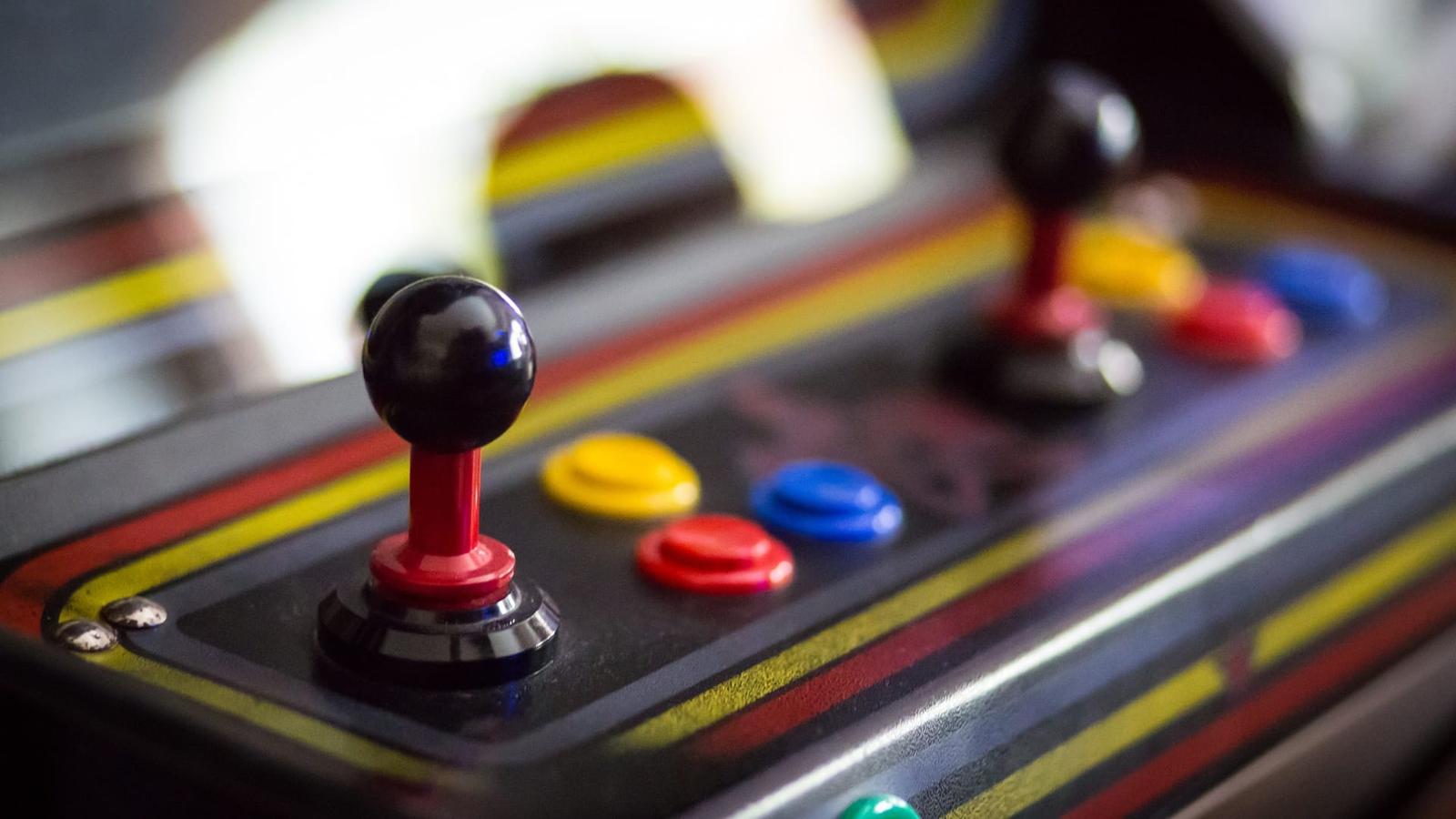
Vintage tech shops and classic arcades hold a special place in the hearts of gaming enthusiasts, collectors, and retro technology fans. These spaces capture the nostalgia of early computers, pinball machines, and arcade cabinets that defined generations of entertainment. However, there are challenges when it comes to restoring vintage tech shops and arcades, and maintaining these environments is far more complicated than simply plugging in an old machine and opening the doors.
From sourcing rare parts to renovating aging buildings, bringing a vintage tech shop or arcade back to life requires significant dedication, technical knowledge, and financial investment. Owners must balance preserving history with meeting modern safety standards and customer expectations.
The Appeal of Vintage Tech Spaces
Retro arcades and vintage technology stores attract a diverse audience. Some visitors are longtime gamers eager to relive childhood memories, while others are younger enthusiasts fascinated by the origins of modern computing and gaming.
Original arcade cabinets, early personal computers, and vintage consoles offer a hands-on connection to technology history. Unlike modern gaming systems that rely on digital downloads and online services, older machines were built with physical components that could be repaired and modified. This tangible aspect of vintage tech creates an immersive experience that modern entertainment venues often cannot replicate.
However, the same qualities that make vintage technology appealing also create unique challenges when restoring or operating these businesses.
Finding Rare Parts and Equipment
One of the biggest challenges of restoring vintage tech shops and arcades is locating replacement parts. Many of the components used in arcade cabinets and early computers were discontinued decades ago, and original manufacturers may no longer exist.
Collectors often rely on secondary markets, auctions, and specialized repair communities to find components like CRT monitors, power supplies, circuit boards, and control panels. Even when parts can be located, they are often expensive or require refurbishment before they can be used.
In some cases, restorers must reverse-engineer components or fabricate custom replacements. This process demands specialized technical knowledge, including electronics repair, soldering, and programming skills. Without these abilities, maintaining older machines becomes extremely difficult.
Technical Expertise and Ongoing Maintenance
Vintage arcade machines and early computing hardware were built differently than modern electronics. They often contain analog circuitry, mechanical switches, and aging components that degrade over time.
Capacitors dry out, wiring becomes brittle, and mechanical parts wear down after years of use. Restoring these systems requires careful inspection and detailed repair work to ensure they function properly without damaging other components.
Even after a successful restoration, ongoing maintenance is necessary. Machines must be regularly tested, cleaned, and calibrated to keep them running smoothly. For arcade operators, this can mean dedicating hours each week to repairs and troubleshooting.
The technical complexity of these machines means that many vintage tech shop owners either develop extensive repair skills themselves or work with specialized technicians who understand retro hardware.
Challenges of Renovating Older Buildings
Many vintage tech shops and arcades operate in historic storefronts or older commercial buildings that match the nostalgic atmosphere of retro gaming. While these locations can add character, they also present significant renovation challenges.
Older buildings often require structural repairs, electrical upgrades, and modern safety improvements before they can support the power demands of dozens of arcade machines and vintage computers. Outdated wiring, limited electrical capacity, and aging plumbing systems can complicate restoration projects.
In addition, owners must ensure that renovations comply with current building codes and accessibility requirements. Updating lighting, ventilation, and climate control systems may also be necessary to protect delicate electronic equipment from heat and humidity.
Asbestos, which can be common in older buildings, also poses a significant problem to renovations. There are a number of reasons why renovators need to call in asbestos removal experts; chief among them being that the material can cause health issues.
Balancing historical preservation with modern functionality can be a difficult task. Renovations must maintain the authentic feel of the space while ensuring it remains safe and practical for both visitors and staff.
Balancing Authenticity with Modern Expectations
Another challenge when restoring vintage tech spaces is deciding how authentic the experience should be. Purists often prefer machines to remain as original as possible, including their displays, control systems, and internal components.
However, fully original hardware may not always be reliable enough for public use; CRT monitors, for example, are increasingly difficult to repair and replace. Some operators choose to install modern display replacements or updated internal components while keeping the external cabinet intact.
Similarly, payment systems can present a challenge. While many arcades once relied on coin mechanisms, modern customers often expect digital payments or prepaid card systems. Integrating these features without compromising the vintage aesthetic requires careful planning.
Owners must strike a balance between historical accuracy and practical operation, ensuring that machines remain functional and enjoyable for visitors.
Financial Challenges of Restoration Projects
Restoring vintage tech shops and arcades is rarely a low-cost endeavor. The process of purchasing machines, sourcing parts, renovating buildings, and maintaining equipment can quickly become expensive.
Rare arcade cabinets may cost thousands of dollars depending on their condition and popularity. Restoration materials, specialized tools, and technician labor add additional expenses. Even small repairs can become costly if replacement components are difficult to obtain.
Because of these high costs, many retro arcades rely on creative business models to remain financially viable. Some combine gaming with food and beverage service, host private events, or sell retro merchandise to generate additional revenue.
Despite the financial challenges, many owners view their work as a passion project that preserves a piece of technological history.
Preserving History for Future Generations
Restoring vintage tech shops and arcades is about more than entertainment. These spaces serve as living museums that showcase the evolution of gaming and computing technology.
Early arcade cabinets introduced many of the design concepts that shaped modern video games, while vintage computers laid the foundation for today’s digital world. By restoring and maintaining these machines, enthusiasts ensure that future generations can experience them firsthand.
This preservation effort often involves collaboration between collectors, technicians, and gaming communities. Online forums, restoration guides, and repair groups play an important role in sharing knowledge and keeping these machines operational.
The Reward of Bringing Retro Technology Back to Life
Despite the many obstacles, restoring vintage tech shops and arcades can be incredibly rewarding. Seeing an old machine power on for the first time after years of inactivity brings a sense of accomplishment that few other restoration projects can match.
Visitors often appreciate the dedication required to maintain these spaces. The excitement of hearing classic game soundtracks, watching glowing CRT screens, and interacting with original arcade controls creates an experience that feels both nostalgic and unique.
For many owners, the effort is worthwhile because it keeps an important part of technological and gaming culture alive.
Vintage tech shops and arcades represent more than a collection of old machines. They are vibrant spaces where history, craftsmanship, and community come together. While the path to restoration may be filled with technical and financial challenges, the end result offers a timeless connection to the early days of digital entertainment.


Be the first to leave a comment