


How To Set Up a Gaming Space on a Budget
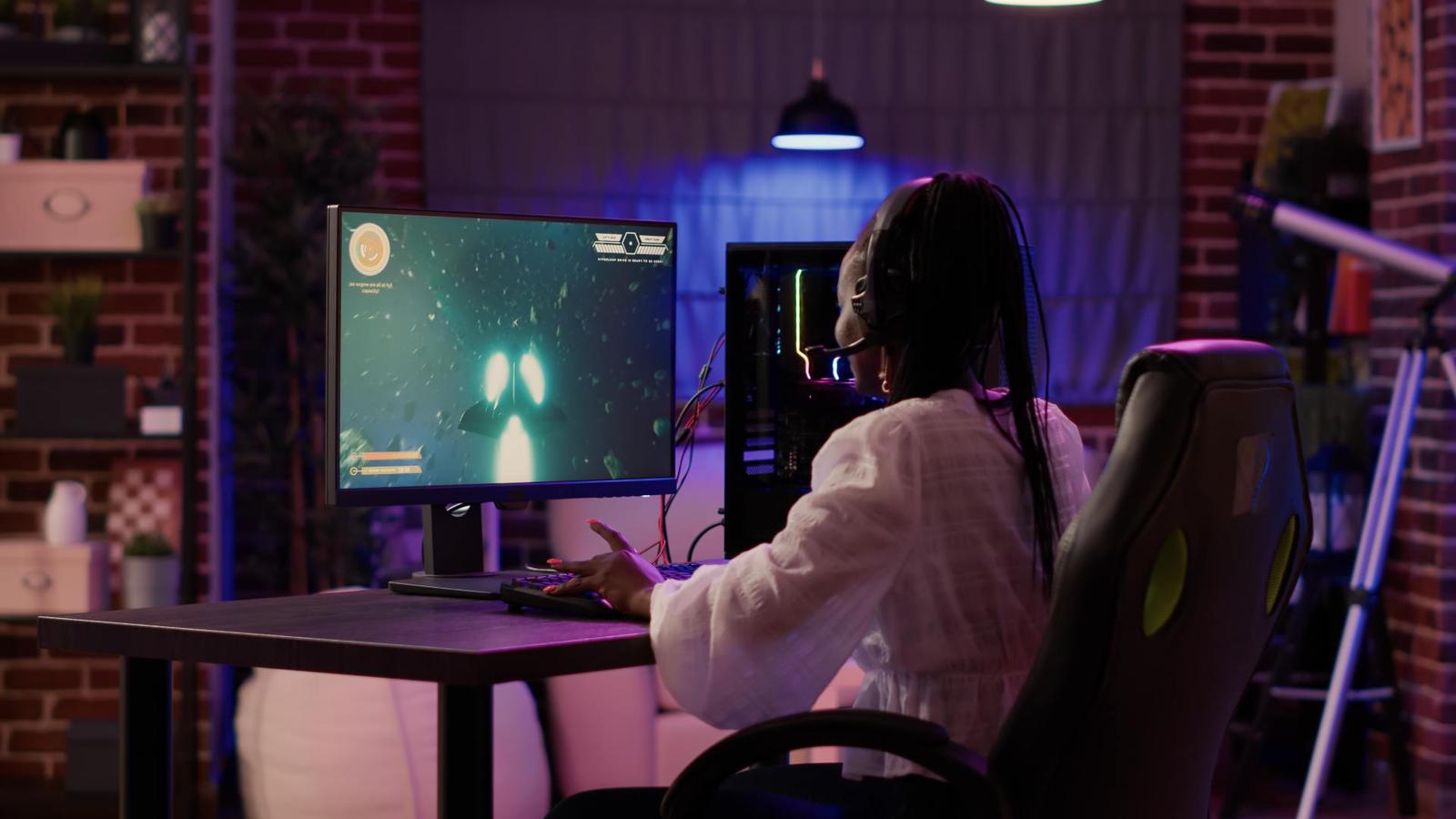
You don’t need a massive budget to build a gaming setup that feels immersive, comfortable, and high-performing. Many gamers assume they need to spend thousands to get a solid experience, but smart decisions matter far more than expensive gear. If you focus on performance, comfort, and practical upgrades, you can build a gaming space that supports long sessions without draining your wallet.
Start With a Clear Plan
Before you buy anything, define what you actually want from your gaming space. Your setup should match the way you play. Competitive players often need fast response times and minimal distractions, while more casual gamers might care more about visuals and comfort.
Think about your main platform, the types of games you play, and how much space you have. If you skip this step, you will likely waste money on gear that doesn’t improve your experience. A focused plan helps you spend with purpose instead of impulse.
Choose a Desk That Prioritizes Function
Your desk forms the foundation of your setup, so you want something stable and practical. You don’t need a flashy “gaming desk” loaded with features you won’t use. A simple, sturdy desk works just as well and often costs far less.
Look for something that gives you enough space to position your monitor at a comfortable distance and still leaves room for your keyboard and mouse. Many gamers find great options at office supply stores or secondhand marketplaces. Some even repurpose standard tables to save money while still getting a solid setup.
Invest in a Comfortable Chair
You will spend hours in your chair, so comfort matters more than style. Budget gaming chairs often focus on looks instead of support, which can cause discomfort over time.
A good office chair usually delivers better value. It provides proper lumbar support, adjustable height, and breathable materials that keep you comfortable during long sessions. If possible, try sitting in a chair before buying it. A comfortable seat can completely change how long and how well you play.
Focus Your Budget on Core Hardware
Your hardware determines how your games perform, so you should allocate most of your budget here. Strong performance improves your experience far more than cosmetic upgrades.
If you play on PC, prioritize a capable GPU, a solid CPU, and at least 16GB of RAM. You don’t need the newest components. Previous-generation parts often deliver excellent performance at a much lower cost.
If you play on a console, you already have your main system. In that case, focus on improving the surrounding experience with a good display and reliable storage. Faster load times and smoother visuals will make a noticeable difference.
Choose a Display That Matches Your Setup
Your monitor or TV plays a huge role in how your games feel. You don’t need the most advanced display on the market, but you should pick one that fits your system.
For PC gaming, a 1080p monitor with a 144Hz refresh rate offers a strong balance between performance and price. Competitive players will benefit from smoother motion and faster response times.
For console gaming, a solid 1080p or 4K TV works well. Instead of chasing extra features, focus on low input lag and clear visuals. You can often find excellent deals on slightly older models that still perform great.
Improve Lighting for Comfort
Lighting can completely change your gaming experience. Poor lighting can strain your eyes and make long sessions uncomfortable.
You don’t need an expensive setup to fix this. A simple desk lamp can reduce glare and help balance brightness in your room. Adding LED strips behind your monitor can create a clean ambient glow without costing much. Good lighting helps you stay focused and reduces fatigue over time.
Choose Peripherals That Deliver Value
Your keyboard, mouse, and headset directly affect how you play, so choose them carefully. You don’t need premium brands to get reliable performance.
Many affordable gaming accessories offer excellent quality if you focus on comfort and functionality instead of branding. A responsive mouse with adjustable sensitivity, a keyboard that feels good to use, and a headset with clear audio will cover most of your needs. When these tools feel right, your gameplay improves naturally.
Keep Your Setup Clean With Simple Cable Management
A cluttered setup can feel distracting and unorganized. You don’t need expensive solutions to fix this problem.
Basic tools like Velcro ties, cable sleeves, and adhesive clips can help you organize everything under your desk. Once you clean up your cables, your entire space will feel more polished and easier to use. A clean setup also makes it easier to troubleshoot and upgrade later.
Upgrade Your Audio Experience
Sound plays a major role in immersion and performance. You don’t need a full speaker system to get good audio, but you should avoid relying on low-quality output.
A solid gaming headset often provides the best value, especially for competitive games where directional sound matters. You will hear footsteps, movement, and subtle cues more clearly, which can give you an advantage. If you prefer a more relaxed setup, a pair of budget speakers can still deliver a satisfying experience.
Make the Most of Limited Space
Not everyone has a dedicated gaming room, but you can still build an effective setup in a small area. Smart organization can make a big difference.
Wall-mounted shelves can free up desk space, while a compact keyboard can give you more room for mouse movement. Monitor mounts also help create a cleaner layout by lifting your screen off the desk. Small changes like these can transform a cramped area into a functional gaming space.
Upgrade Gradually Over Time
You don’t need to build your entire setup at once. In fact, spreading out your upgrades can help you make better decisions.
Start with the important stuff like your hardware, display, and core peripherals. Once those feel solid, you can add improvements over time. This approach allows you to focus on what actually improves your experience instead of buying everything at once.
Shop Smart to Stretch Your Budget
Smart shopping can make a huge difference when you build a budget setup. Timing and patience often matter more than anything else.
Look for seasonal sales, refurbished items, or open-box deals. Many retailers offer significant discounts on slightly older models that still perform well. Local marketplaces can also provide great opportunities if you’re willing to search.
Prioritize Performance Over Looks
It’s easy to get caught up in aesthetics, especially with all the RGB-heavy setups online. While those setups look impressive, they don’t improve how your games run.
Focus on smooth performance, low input lag, and comfort first. Once you lock in those essentials, you can add visual upgrades later. A setup that performs well will always feel better than one that just looks good.
A Setup That Works For You
You can build a great gaming space without spending a fortune. Focus on the essentials, make smart choices, and upgrade over time. A well-planned setup will give you comfort, performance, and immersion without unnecessary costs.
With the right approach, you can create a gaming environment that feels just as satisfying as high-end setups while keeping your budget intact.


Be the first to leave a comment